Synopsis
With an average annual rainfall exceeding 1,100 mm, the monsoon season in Chhindwara brings a much-needed respite from the heat, but it also presents a significant challenge for motorcycle owners. This comprehensive guide outlines the essential maintenance steps required to keep your vehicle running smoothly during the heavy Madhya Pradesh rains. We provide a detailed checklist for critical areas such as chain lubrication, tire tread inspection, and brake responsiveness, which are vital for navigating slippery roads. Learn how the advanced PGM-FI systems in modern Honda bikes Chhindwara require specialized care to prevent moisture-related electrical failures. We also highlight the benefits of visiting your authorized Honda 2 wheeler showroom Chhindwara for a professional monsoon-special service, including anti-rust coatings and deep cleaning. Whether you own a premium streetfighter or one of our reliable bikes under 1 lac, these professional tips ensure your commute remains safe and your bike stays in showroom condition throughout the rainy months.
Table of Contents
- The Chhindwara Monsoon Challenge - Protecting Your Investment
- Traction is Key - Tire Tread and Pressure for Wet Roads
- The Chain Drive - Cleaning and Lubrication Every 500 km
- Braking Confidence - Inspecting Pads and Brake Fluid
- Electrical Protection - Preventing Moisture in Switchgear
- Anti-Rust Coating - Why Metal and Fiber Parts Need Protection
- Monsoon Service Packages at your Honda 2 wheeler showroom Chhindwara
The Chhindwara Monsoon Challenge - Protecting Your Investment
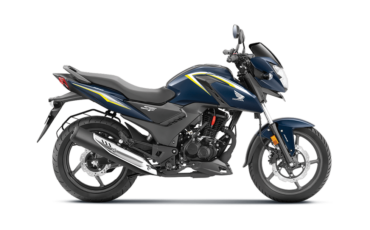
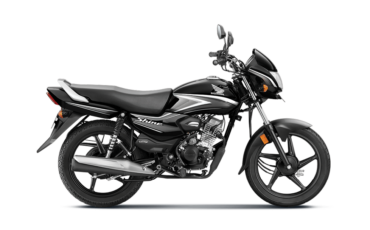
The arrival of the southwest monsoon transforms the landscape of Chhindwara into a lush green paradise, but for a two-wheeler, it means constant exposure to mud, slush, and high humidity. Rainwater is naturally corrosive, and when mixed with road grime, it can lead to rapid rusting of metal parts and the degradation of rubber seals. For owners of Honda bikes Chhindwara, proactive maintenance is the only way to avoid long-term damage. From the premium Hornet 2.0 to the efficient Shine100cc, every motorcycle requires a specialized “monsoon prep” to ensure that the joy of riding in the rain isn’t cut short by a mechanical breakdown.
Traction is Key - Tire Tread and Pressure for Wet Roads
On wet asphalt, your tires are the only thing standing between a safe ride and a dangerous skid. In Chhindwara, where roads can become extra slippery during a downpour, you must ensure your tire tread depth is at least 2 mm. A simple “coin test” in the grooves can help you determine if the rubber has worn out. Additionally, we recommend maintaining tire pressure approximately 1-2 PSI lower than the standard dry-weather recommendation. This slightly increases the tire’s contact patch with the road, providing better grip and reducing the risk of hydroplaning during heavy showers.
The Chain Drive - Cleaning and Lubrication Every 500 km
The drive chain is arguably the most vulnerable part of your motorcycle during the rainy season. Water tends to wash away the lubricant, while mud and grit get trapped in the links, acting like sandpaper that grinds down the metal. For bikes with open chains, such as most modern street models, we recommend cleaning and lubing the chain every 500 km. Even if you own one of our bikes under 1 lac with a full chain cover, it is essential to inspect the tension and apply a high-quality water-resistant lube to prevent rust and ensure a smooth power delivery.
Braking Confidence - Inspecting Pads and Brake Fluid
Rainwater significantly reduces the friction between brake pads and discs. If your brakes feel “spongy” or make a screeching sound, it is time for an immediate check-up at your Honda 2 wheeler showroom Chhindwara. Moisture can also contaminate brake fluid, which is hygroscopic (absorbs water), leading to a loss in braking efficiency. Ensure your brake pads have sufficient thickness (at least 2 mm) and that your discs are clean of oil and muck. Reliable braking is your first line of defense against the unpredictable traffic conditions of a monsoon-soaked city.
Electrical Protection - Preventing Moisture in Switchgear
Modern Honda bikes Chhindwara come equipped with advanced electricals and sensors for the PGM-FI system. However, heavy rain can sometimes seep into the switchgear or battery terminals, leading to short circuits or starting trouble. A professional tip is to apply a thin layer of petroleum jelly or dielectric grease on the battery terminals to prevent corrosion. After a wet ride, always wipe down the switchgear with a soft, dry cloth. Using a water-repellent spray on the ignition keyhole and other electrical contact points can go a long way in ensuring your bike starts on the first thumb-press every morning.
Anti-Rust Coating - Why Metal and Fiber Parts Need Protection
While many modern Hondas use high-quality fiber bodywork, the underlying frame and several engine components are made of metal that is prone to oxidation. Applying an anti-rust coating or a Teflon layer before the peak monsoon begins provides a protective barrier against moisture. This is especially important for the underbody and the silencer, which are constantly pelted with water and slush. At Akshit Honda, we offer specialized “Monsoon Shield” treatments that keep your paint glowing and your metal components rust-free, preserving the high resale value of your vehicle.
Monsoon Service Packages at your Honda 2 wheeler showroom Chhindwara
Don’t wait for a breakdown to visit us. Our Honda 2 wheeler showroom Chhindwara offers dedicated Monsoon Service Camps featuring free 32-point check-ups. Our HMSI-trained technicians will inspect all rubber gaskets, O-rings, and drain pipes to ensure no water seeps into the engine or fuel tank. Whether you need a simple chain adjustment or a comprehensive deep-clean, our service center uses only genuine Honda parts and lubricants. Prepare your bike today at Akshit Honda and enjoy the rains with total confidence and peace of mind.
FAQs
How often should I wash my bike during the monsoon in Chhindwara?
It might seem counterintuitive, but you should wash your bike more frequently in the monsoon, ideally once a week. Rainwater carries pollutants and road grime that stick to the engine and frame. A proper wash at a reputable center ensures that mud and muck don’t settle into hidden corners, which is the primary cause of rust and corrosion.
What should I do if my bike gets stuck in a water-logged area?
If you must navigate deep water, maintain a steady speed in a lower gear to keep the exhaust pressure high. However, if the bike stalls in water, do not attempt to restart it. Water might have entered the engine (hydro-lock) or the air filter. Push the bike to a dry spot and call for professional help from your Honda 2 wheeler showroom Chhindwara.
Why is my bike making a squeaking sound from the brakes in the rain?
Squeaking brakes in the rain are usually caused by a thin layer of mud or moisture trapped between the brake pads and the disc/drum. While it often goes away after a few meters of riding as the brakes heat up, persistent noise could indicate worn-out pads or glazed discs. Have them inspected by a professional to ensure your safety.
Is it safe to park my motorcycle in the rain?
While Honda bikes are designed for all-weather use, continuous exposure to heavy rain can accelerate wear. If possible, park in a covered area or use a high-quality waterproof bike cover. This protects the seat from soaking and prevents water from entering sensitive electrical components like the instrument cluster and switchgear.
Are there special tires available for the monsoon season?
Yes, many tire manufacturers offer “wet-weather” tires with specialized tread patterns designed to channel water away more efficiently. If your current tires are near the end of their life, the start of the monsoon is the perfect time to upgrade to a set of grippy, monsoon-ready tires at your authorized Honda dealer in Chhindwara.