Synopsis
When it comes to high-performance riding, power is nothing without control. In 2026, the discussion around safety in the Bikes between 1 Lac to 2 Lacs segment centers on one critical feature: the Anti-lock Braking System (ABS). This blog breaks down the fundamental differences between Single-Channel ABS and Dual-Channel ABS, helping riders in Chhindwara understand which system best suits their riding style. We compare the street-focused agility of the Hornet 2.0, which now boasts Dual-Channel ABS in its 2026 avatar, with the classic, stable performance of the CB350. By exploring how these systems prevent wheel lock-up on slippery monsoon roads or during emergency stops, we highlight the technical evolution of Honda’s safety suite. Whether you are navigating busy city intersections or cruising the outskirts of Madhya Pradesh, visiting your authorized Honda shop in Chhindwara ensures you choose a machine that prioritizes your life as much as your thrill.
Table of Contents
- The Science of Stopping - Why ABS is Non-Negotiable
- Single-Channel ABS - Efficient Safety for the City
- Dual-Channel ABS - Total Control for Performance Riders
- Safety Evolution - Hornet 2.0 vs CB350 Safety Features
- Navigating Chhindwara Roads - Which ABS is Right for You?
- More than Just Brakes - Traction Control and ESS
- Visit Akshit Honda - Your Expert Honda shop in Chhindwara
The Science of Stopping - Why ABS is Non-Negotiable
The primary cause of two-wheeler accidents during sudden braking is wheel lock-up, which leads to skidding and a total loss of steering control. An Anti-lock Braking System (ABS) uses electronic sensors to monitor wheel speed, automatically “pulsing” the brakes when a lock-up is detected. This allows the rider to maintain traction and steer the bike even under maximum braking pressure. For any rider looking at Bikes between 1 Lac to 2 Lacs, understanding whether a bike offers Single or Dual-Channel protection is the first step in ensuring a safe journey on the unpredictable roads of Chhindwara.
Single-Channel ABS - Efficient Safety for the City
Single-Channel ABS is the most common safety setup for lightweight commuters. In this system, the ABS unit only monitors and controls the front wheel. Since the front brake provides approximately 70% of a motorcycle’s total stopping power, preventing the front wheel from washing out is a massive safety boost. It is an excellent, cost-effective solution for riders who primarily navigate city traffic at moderate speeds. Many Honda bikes Chhindwara commuters use this system to balance a higher safety standard with an affordable purchase price.
Dual-Channel ABS - Total Control for Performance Riders
For 2026, Honda has significantly expanded the availability of Dual-Channel ABS across its performance range. This advanced system monitors both the front and rear wheels independently. If the rear wheel begins to skid—often a common occurrence when a rider panics and stomps on the rear brake—the system intervenes to keep the bike perfectly straight. For those who ride at higher speeds or frequently travel with a passenger, Dual-Channel ABS is a worthy investment, providing a “safety net” that works on both ends of the machine, regardless of road debris or wet patches.
Safety Evolution - Hornet 2.0 vs CB350 Safety Features
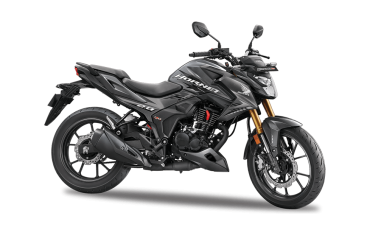
The 2026 Hornet 2.0 has officially made the leap to Dual-Channel ABS, cementing its place as a leader in the naked streetfighter category. This ensures that its 184.4cc of power is always matched by rock-solid stability. Meanwhile, the CB350 series continues to set the standard with Dual-Channel ABS combined with Honda Selectable Torque Control (HSTC). While the Hornet focuses on aggressive, sharp stops, the CB350 prioritizes a smooth, assisted braking feel. Both models represent the pinnacle of safety in the Bikes between 1 Lac to 2 Lacs segment, ensuring every resident of Chhindwara has access to world-class protection.
Navigating Chhindwara Roads - Which ABS is Right for You?
Choosing the right system depends on your typical “riding environment.” If your daily route consists of narrow lanes and heavy market traffic where speeds rarely exceed 40 km/h, Single-Channel ABS is usually sufficient. However, if your commute involves the Chhindwara-Nagpur highway or frequent rides during the intense Madhya Pradesh monsoons, Dual-Channel ABS is highly recommended. The added protection on the rear wheel prevents the “fishtailing” effect on wet asphalt, making it the superior choice for high-speed stability and emergency maneuvers.
More than Just Brakes - Traction Control and ESS
Honda’s safety philosophy goes beyond just ABS. Many premium models at your Honda shop in Chhindwara now feature the Emergency Stop Signal (ESS), which automatically flashes the rear indicators during sudden, hard braking to warn vehicles behind you. Combined with Traction Control (HSTC) that prevents rear-wheel spin on gravel or oil patches, Honda provides a 360-degree safety envelope. These features work in harmony with the ABS to ensure that the rider remains in total control of the machine, even when the road surface is at its worst.
Visit Akshit Honda - Your Expert Honda shop in Chhindwara
At Akshit Honda, we believe that a well-informed rider is a safe rider. We invite you to visit our Honda shop in Chhindwara to see these safety systems in action. Our experts can demonstrate how the ABS sensors work and explain the maintenance requirements for these electronic units. Whether you are eyeing the sporty Hornet 2.0 or a classic cruiser, we provide the technical guidance you need to make a safe and secure choice. Visit us today to prioritize your safety and experience the Honda difference.
FAQs
Can I install Dual-Channel ABS on a bike that came with Single-Channel?
Technically, it is not possible or advisable to “upgrade” from Single to Dual-Channel ABS as an aftermarket fitment. The system requires specialized sensors, a different wiring harness, a dual-channel modulator, and specific ECU tuning. For your safety, it is always best to purchase a motorcycle that comes with the desired ABS configuration directly from the factory.
Does having ABS mean I can stop instantly?
No, ABS does not necessarily reduce the “stopping distance” of a motorcycle; its primary job is to prevent wheel lock-up. While it often results in shorter stops on slippery surfaces by maintaining maximum possible traction, the rider must still practice safe following distances and proper braking techniques.
How do I know if the ABS on my bike is working?
When you turn on your motorcycle, the ABS indicator light on the dashboard will stay lit until you reach a speed of approximately 10 km/h. If the light goes off, the system is active and working. If the light stays on or flashes while you are riding, it indicates a fault, and you should visit your Honda shop in Chhindwara immediately for a diagnostic check.
Does Dual-Channel ABS require more maintenance?
The maintenance for Dual-Channel ABS is similar to standard disc brakes, with one key difference: the brake fluid. It is crucial to change your brake fluid every 2 years, as moisture can damage the sensitive ABS modulator. Additionally, ensuring the sensor rings on both wheels are clean of mud and debris is essential for accurate readings.
Is Dual-Channel ABS available on scooters in Chhindwara?
Currently, most 110cc and 125cc scooters use the Combined Braking System (CBS), which is a mechanical safety feature. ABS is primarily found on 150cc+ motorcycles. However, premium scooters like the 2026 Activa125-OBD2B top variants often feature Single-Channel ABS as an added safety option for disc brake models.